
IoT
Designing edge estates for failure first: heat, dust, and dropped links
By Practice Lead — IoT
9 MIN READ · JUNE 2026
PILLAR 04 · PRODUCTIZED SERVICES · EMERGING
NexITC's IoT practice is an emerging pillar with productized Build-tier engagements: B11 EdgeSense, a sensor and edge-fabric implementation for utility, industrial, and smart-city estates, and B16 Digital Twin Operations Blueprint, an operational digital-twin design engagement. Work is aligned to IEC 62443, NESA critical-infrastructure assurance, the Purdue Model, and Dubai's D33 Agenda. OT security controls are delivered by the Cybersecurity practice (B12) rather than duplicated here.
Section 01
Two engagements, deliberately. We build depth in implementation before extending into assessment and managed operations.
This is an emerging pillar and we say so on the page. Two productized engagements today: B11 EdgeSense and B16 Digital Twin Operations Blueprint. We could have manufactured an assessment SKU and a managed-service SKU to make the tier grid look complete, and the grid would have looked exactly like the other four pillars. It would also have committed us to selling work we have not yet delivered enough times to productize honestly.
The UAE context for IoT is unusually strong. Dubai's D33 Agenda, Smart Dubai's operational programmes, and Abu Dhabi's utility and mobility investments have produced real sensor estates at real scale — not pilots. What those estates need now is less novelty and more resilience: devices that survive heat and dust cycles, gateways that degrade gracefully when connectivity drops, and telemetry pipelines that operations teams can actually reason about at three in the morning.
A sensor network that produces analytics but cannot be safely patched is a liability disguised as a capability.
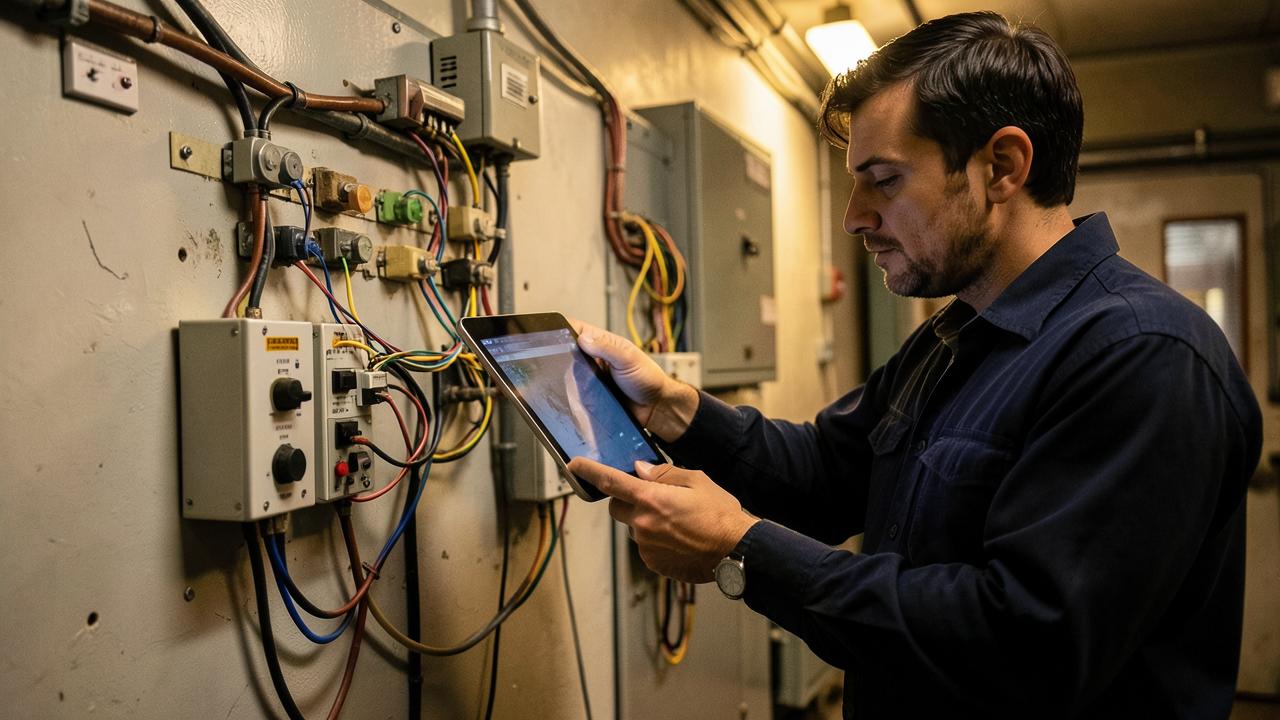
So we build for failure first. B11 EdgeSense engagements start from the failure modes — power, connectivity, device drift, certificate expiry, firmware rollback — and design the estate backwards from there. Intelligence comes second. A sensor network that produces analytics but cannot be safely patched is a liability disguised as a capability, and in a NESA critical-infrastructure context it is a reportable one.
IEC 62443 segmentation, Purdue-model zone and conduit design, and industrial control system monitoring sit in Cybersecurity as B12. That placement is deliberate. OT security is a controls discipline with regulator-facing evidence obligations, and it should be owned by the practice that owns your other evidence. IoT engagements sequence alongside B12; they do not absorb it.
Digital twins are the other half of the pillar. B16 produces an operations-grade blueprint — data model, telemetry contract, simulation boundary, and the specific operating decisions the twin exists to support. Most twin programmes we are asked to review failed because nobody defined which decision the model was meant to improve. We will not start a twin engagement without that definition in writing.
Section 02
IoT and OT estates in the UAE are governed primarily through critical-infrastructure assurance and industrial control standards rather than a dedicated IoT law. NESA sets the national assurance expectation, IEC 62443 and the Purdue Model set the architectural discipline, and the D33 Agenda shapes smart-city procurement direction.
IEC 62443
The reference standard for zone and conduit segmentation, security levels, and lifecycle requirements in OT environments. IoT builds are designed to the target security level agreed at kick-off, with the corresponding controls implemented by the Cybersecurity practice under B12.
NESA
Utilities, transport, and other critical-sector operators must demonstrate assurance over connected operational estates, including incident reporting. Our edge designs include the logging and evidence hooks needed for that demonstration rather than leaving instrumentation as a later phase.
PURDUE MODEL
The layering convention we use to reason about where compute, buffering, and analytics belong in an industrial estate. Edge fabric design decisions are documented against Purdue levels so that IT and OT stakeholders are arguing from the same architectural picture.
D33 AGENDA
Sets the smart-city investment and procurement direction that most UAE IoT programmes are funded against. We reference D33 outcome themes when scoping sensor estates and twin blueprints so business cases align with the programmes actually releasing budget.
Section 03
The IoT pillar currently spans productized Build-tier engagements: B11 EdgeSense and B16 Digital Twin Operations Blueprint. There are no Entry, Run, or Expand-tier engagements today, and we do not present placeholder SKUs to fill the grid.
Implementation engagements — 6 to 14 weeks. Platforms, controls, and NexAI Agent Foundry builds.
Section 04 · Flagship case study
IoT · Real Estate · B16 Digital Twin Operations Blueprint™ · 14 weeks
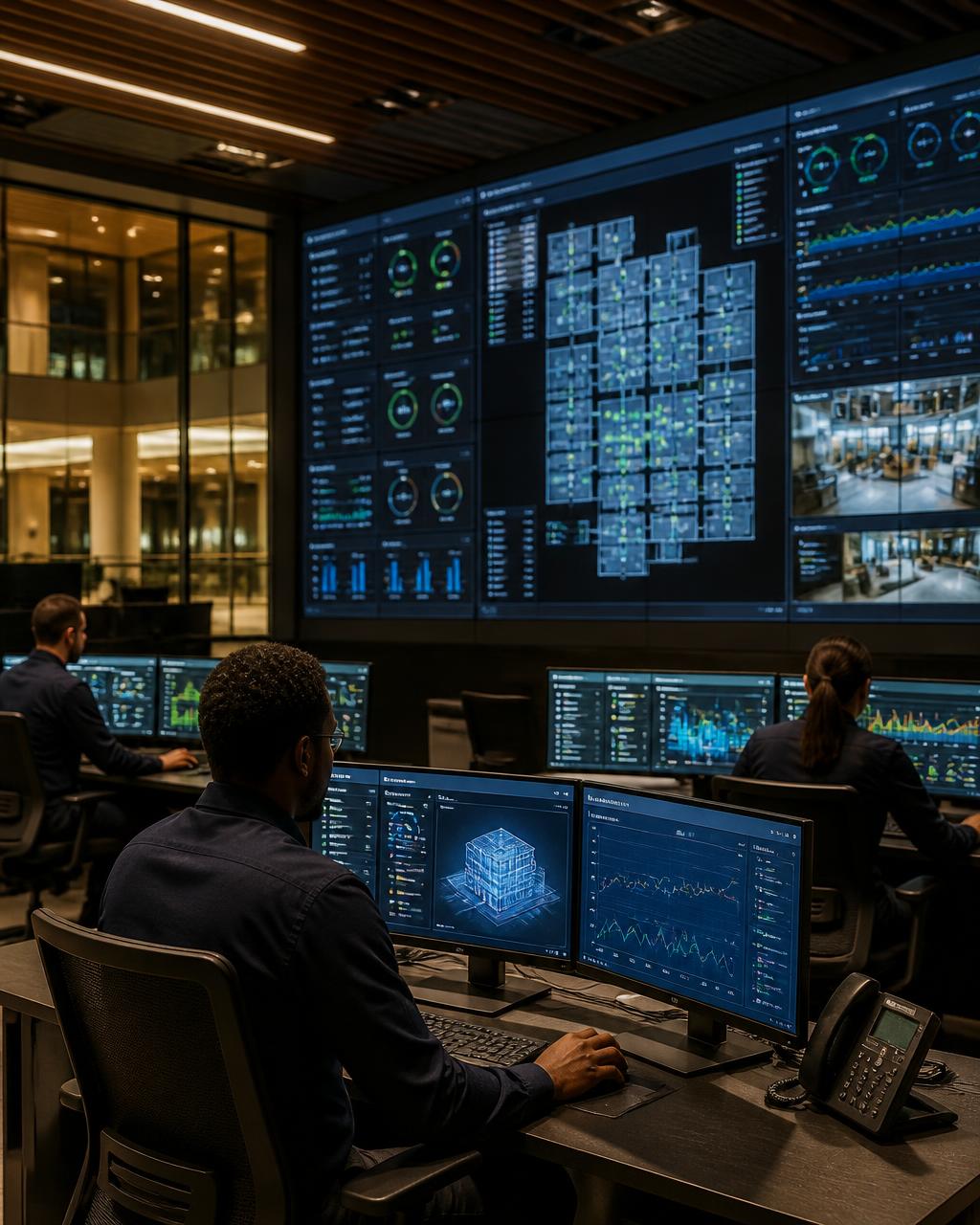
A UAE mixed-use real estate operator commissioned a digital twin blueprint across a flagship property portfolio. B16 delivered the four converged components — telemetry ingestion, AI analytics, spatial context, and operational integration — in fourteen weeks, with the operational integration workstream carrying acceptance criteria against facility management workflow outcomes. The alternative — a vendor-proposed 3D visualisation platform with quarterly reporting cadence — was declined at scoping.
Illustrative composite — a representative pattern drawn from NexITC engagements, not a specific client narrative.
Section 05 · Field notes
Long-form POVs from our IoT practice lead. Lower cadence, deeper analysis. What we're seeing in UAE enterprise IoT work.
IoT
By Practice Lead — IoT
9 MIN READ · JUNE 2026
IoT
By Practice Lead — IoT
8 MIN READ · MAY 2026
IoT
By Practice Lead — IoT
7 MIN READ · APRIL 2026
Section 07 · FAQ
The questions UAE buyers ask most often about our IoT engagements — scope boundaries, sequencing, and regulatory fit.
Because we productize only what we have delivered repeatedly enough to fix the scope and the price. IoT is an emerging pillar for us: B11 EdgeSense and B16 Digital Twin Operations Blueprint are the two engagements that meet that bar today. Entry-tier additions are expected in Q4 2026.
Yes, as a scoped engagement rather than a catalogue SKU. Start with a 30-minute clinic; if the requirement is primarily OT security posture, the right entry point is usually the Cybersecurity pillar's A4 scorecard with an OT scope extension.
In Cybersecurity, as B12. IEC 62443 zone and conduit design, ICS monitoring, and the associated NESA evidence obligations are owned by the practice that owns your other regulatory evidence. IoT engagements sequence alongside B12 rather than duplicating it.
A data model, a telemetry contract, a simulation boundary, and an explicit statement of the operating decisions the twin exists to improve — with the instrumentation gaps that must be closed before build. It is a design engagement, not a platform implementation.
No. We are vendor-neutral and we do not resell hardware. We specify device and gateway requirements, run the selection scorecard, and integrate whatever the client procures, which keeps the estate design free of supply-side incentives.
Most IoT engagements begin with a 30-minute architecture clinic. We'll help you pick the right SKU or design a scope if none fits.